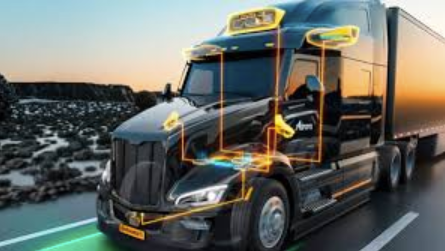
Autonomous Trucks
Autonomous trucks use perception, decision-making, and control layers to operate with minimal human input under defined conditions. Sensor fusion combines lidar, radar, cameras, and maps to maintain situational awareness and safety. Carriers pursue these systems to improve reliability and cost, yet real-world deployment faces regulation, safety verification, and operations challenges. A national shift could alter labor markets, infrastructure needs, and regional economics, creating both opportunities and tensions that merit careful examination before broader adoption.
What Autonomous Trucks Are and How They Work
Autonomous trucks are self-driving heavy vehicles designed to operate without human input under defined conditions.
They rely on perception, decision-making, and control layers to traverse environments.
Sensor fusion integrates lidar, radar, cameras, and maps to create reliable situational awareness.
Autonomy milestones mark progress from pilot routes to full highway operation, while robust safety cases support scalable, transparent deployment.
Why Carriers Are Investing in Self-Driving Haulers
Why are carriers investing in self-driving haulers? Fleets pursue reliability, cost containment, and capacity scalability amid demand volatility. Autonomous trucks promise tighter route optimization and lower driver turnover, translating to long-run margins. Infrastructure funding and automation synergy shape ROI, while labor displacement pressures push strategic planning toward blended staffing. Decisions rely on data, pilot results, and capital discipline to justify upfront investments and risk.
Real-World Hurdles: Regulation, Safety, and Operations
The shift from opportunistic pilots to broader deployment encounters a set of real-world constraints that shape feasibility beyond theoretical benefits. In practice, regulatory hurdles and safety standards govern testing, liability, and certification timelines.
Operational realities include interoperability with human drivers, weather resilience, and maintenance schedules.
Evidence suggests incremental progress hinges on standardized frameworks, transparent data sharing, and consistent compliance across jurisdictions.
Freedom accompanies disciplined, measurable advancement.
What a National Transition Could Mean for Shippers, Drivers, and Communities
A national transition to autonomous trucking would reshape logistics, labor markets, and community infrastructure in ways that warrant careful, evidence-based assessment. Shippers face revised cost structures, route resiliency, and data governance, while drivers encounter evolving roles and safety training requirements. Labor displacement could affect regional economies, yet productivity gains may accompany new opportunities. Communities must plan infrastructure, safety nets, and equitable transition strategies.
Frequently Asked Questions
What Timelines Exist for Widespread Autonomous Truck Adoption?
Current timelines for widespread adoption vary, with pilots advancing gradually; analysts expect commercialization within 5–15 years in select corridors, contingent on safety certification, regulatory alignment, and robust cost reductions driving durable, scalable deployment.
How Will Autonomous Trucks Affect Truck Parking Availability?
Autonomous trucks may reduce parking demand at depots through optimal routing and staggered shifts, while road autonomy expands parking options on corridors. Depot utilization should rise in efficiency, and fueling logistics shift toward centralized hubs, enhancing fleet safety overall.
What Cybersecurity Threats Target Autonomous Trucking Networks?
Cyber attack risks threaten autonomous trucking networks, juxtaposing vigilance with vulnerability; engineers study vehicle to vehicle encryption alongside intrusion detection, revealing risks to routing integrity, supply chains, and safety, while freedom-oriented stakeholders demand transparent, auditable cybersecurity measures.
See also: Autonomous Mobility Trends
How Will Autonomous Fleets Impact Truck Maintenance Workloads?
Autonomous fleets are likely to shift maintenance workloads toward predictive tasks, with a greater emphasis on maintenance scheduling and sensor calibration, as data-driven diagnostics optimize uptime while reducing unnecessary service interruptions and promoting operational autonomy.
Will Autonomous Trucks Change Driver Licensing Requirements?
Like a tide reshaping shores, licensing may loosen for drivers of autonomous trucks but safety regulations will tightened, demanding new competencies. The question is analytical: driver licensing adjustments likely occur, while safety standards expand to reflect automated operation.
Conclusion
Autonomous trucks promise improved efficiency, safety, and uptime, yet adoption hinges on mature regulation, robust safety cases, and reliable sensor fusion. Despite efficiency gains, industry must address workforce transitions and regional infrastructure needs; resistance often centers on job displacement and data governance. However, as pilots scale and standards converge, the economic and social benefits—lower costs, safer roads, and expanded capacity—become increasingly compelling, provided transparent data sharing and rigorous oversight maintain public trust.