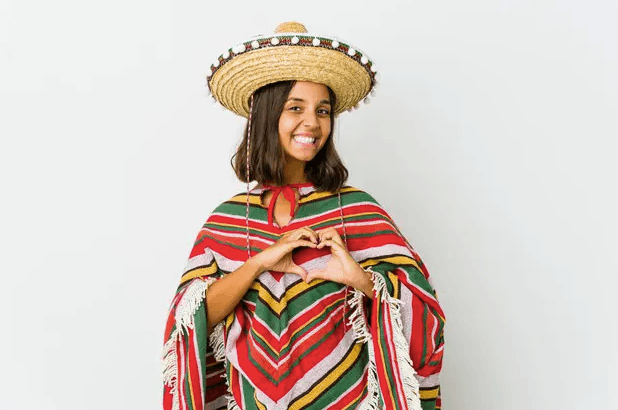
Clothing Traditions Around the World
Clothing across cultures reveals how climate shapes fabric choices, layering, and comfort. In different regions, textiles, drape, and color encode history, trade, and daily practice. Traditional dress signals kinship, status, and ritual meaning, even as modern life presses for adaptation. Global exchanges blur borders, yet distinctive vocabularies endure, offering a steady lens on identity. The patterns invite comparison, inviting the reader to consider what garments disclose about place, memory, and belonging.
What Everyday Garments Say About Culture and Climate
Clothing in daily life often embodies the interaction between environment and value systems, revealing how climate shapes fabric choice, construction, and adornment. In different locales, garments express comfort and climate through practical layering, breathable fibers, and adaptive silhouettes. Material symbolism emerges as a common thread, linking ritual, status, and daily ease, while comparison highlights shared needs and divergent expressions.
Regional Styles: Textiles, Draping, and Significance by Region
Across regions, textiles, draping practices, and the meanings attached to dress reveal how local ecosystems, histories, and social codes converge to shape attire. In diverse locales, textile symbolism marks craft traditions, while regional draping communicates practicality and identity.
Observers note contrasts and parallels, linking weave, knot, and fold to climate, trade routes, and community memory without presuming universal meanings.
Rituals, Status, and Identity in Traditional Dress
Ritual dress functions as a visible code that marks transitions, rites, and affiliations within communities. In fieldnotes, garments convey ritual symbolism through color, ornament, and tailoring, codifying roles and ceremonies. Ceremonial attire operates as status insignia, signaling rank and lineage, while identity markers emerge in patterns and silhouettes. Ethnographic comparison shows shared functions across cultures, yet distinctive stylistic vocabularies sustain local agency and moral order.
Modern Life Meets Heritage: Evolution, Preservation, and Global Exchange
In contemporary life, traditional garments negotiate with rapid change, weaving heritage into modern routines while adapting to new pressures from globalization, technology, and mass production.
Ethnographers compare communities, noting evolution of fabrics and ceremonial attire symbolism, as regional textile politics shift under market forces.
Modern adaptation meets heritage preservation through shared practices, global exchange dynamics, and creative reinterpretations that sustain identity without erasing difference.
Frequently Asked Questions
How Do Climate and Environment Shape Traditional Footwear Choices Globally?
Climate driven footwear emerges as communities adapt, balancing climate realities and environmental materials sources. Ethnographically, researchers note leather and plant fibers, sandals and boots, styles vary regionally, showing comparative ingenuity and a persistent desire for freedom in movement.
What Role Do Color and Dye Symbolism Play in Ceremonies?
Color symbolism shapes ceremonies through dye rituals and ritual dress, while footwear climate adaptation informs comfort. Urban garment preservation and gender neutral attire reflect evolving tastes, and economic access to dress influences ceremonial color choices across cultures, revealing diverse independence.
How Are Traditional Garments Preserved in Urban Life Today?
Traditional garments endure in urban life through museums, workshops, and slow-fashion circles; a quiet resistance against disposability. The ethnographic scene reveals traditional masquerade aesthetics adapting, while textile sustainability debates frame preservation as communal, creative citizenship.
See also: Home Gym Setup Ideas for Beginners
Are There Gender-Neutral Traditional Outfits in Different Cultures?
Gender neutral ensembles exist across cultures, reflecting tradition and modernity in fluid configurations. The ethnographic observer notes individuals negotiate identity through adaptable garments, comparing ceremonial robes, daily wear, and hybrid designs, highlighting freedom in expression within shared cultural fabrics.
How Do Poverty and Economy Influence Access to Traditional Dress?
Poverty does constrain access, yet in various economies, heritage remains possible through community support, secondhand markets, and adaptable textiles; luxury illusions aside, economy access shapes who can wear traditional dress, contrasting scarcity with enduring cultural significance.
Conclusion
Across climates and continents, garments whisper a shared truth: attire encodes environment, economy, and belonging. Ethnographic contrasts—from desert robes to highland layers, from ceremonial robes to streetwear hybrids—reveal how communities negotiate weather, trade, and identity. A contested theory suggests globalization erodes difference; instead, local vocabularies endure, adapting through drift and reinvention. The conclusion: traditional dress persists as a living archive, evolving in dialogue with global currents, yet continually reaffirming distinctive meanings at the heart of everyday life.