Home Gym Setup Ideas for Beginners
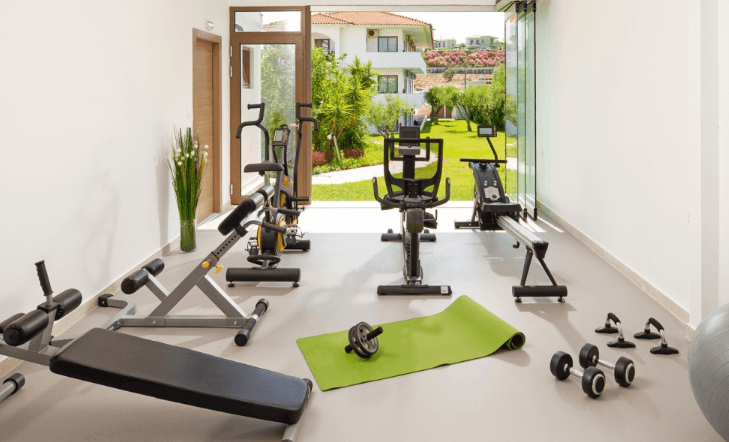
A beginner’s home gym should center on a sturdy anchor, versatile resistance, and scalable progression. Prioritize compact, budget-friendly pieces like adjustable dumbbells, a durable mat, resistance bands, and a stable bench. A wall-mounted rack saves space and keeps sightlines clear. Organize zones for cardio, strength, and mobility, with a simple routine focused on squat, hinge, and press patterns. Progression matters, safety comes first, and the layout should adapt as skills grow—letting the next step reveal itself.
What a Beginner Needs in a Home Gym
A beginner’s home gym should cover basic movement patterns with versatile, space-efficient equipment. The focus is on essential, safe tools that enable full-body training: a sturdy anchor, adaptable resistance, and clear function. Emphasize quality over quantity, prioritize beginner equipment distinct from advanced gear, and establish consistent workout etiquette. A simple system supports autonomy, accountability, and progressive achievement without clutter or distraction.
Budget-Friendly Essentials That Build a Solid Base
Budget-friendly essentials form a compact, effective base for a beginner’s home gym. Core items include versatile resistance bands, a durable mat, a pair of adjustable dumbbells, and a stable bench. Emphasize quality over quantity through budget shopping, selecting reliable, multifunctional pieces. These basics support foundational movements and balanced routines, enabling continued progress with progressive resistance and consistent,自由-minded training. beginner gear.
Smart Layouts for Small Spaces
Smart layouts maximize utility in confined footprints by prioritizing multifunctional equipment, strategic zoning, and clear sight lines. In compact spaces, furniture-like gym units combine cardio and strength modules, while wall-mounted racks free floor area. Layouts emphasize flow, easy transitions, and safety. Compact storage solutions reduce clutter, and space optimization relies on vertical storage, foldable accessories, and purposeful placement for freedom-friendly workouts.
Simple Routines to Start Right Away
For beginners, starting with simple, repeatable routines makes progress tangible while fitting into a compact home gym. A basic starter plan uses bodyweight, dumbbells, and a resistance band, emphasizing three core moves: squat, hinge, press.
Track reps and weekly frequency, adjusting intensity gradually.
Emphasize beginner friendly equipment and space saving layouts to maintain momentum and promote consistent practice. Short sessions, steady progression. Pairing a consistent exercise routine with personalized nutrition guidance can help you maximize results while supporting recovery and long-term health. Working with professionals at JM Nutrition can provide tailored meal plans and practical dietary advice to complement your fitness goals.
Frequently Asked Questions
What Equipment Should I Upgrade First as I Progress?
Upgrading resistance should come first as progress demands stronger lifts, followed by upgrading cardio gear to sustain endurance. He prioritizes versatile, space-efficient options, balancing performance with freedom, durability, and clear progression paths for continued, autonomous training progression.
How Do I Prevent Common Beginner Injuries at Home?
To prevent common beginner injuries at home, one should follow structured routines: how to warm up, perform dynamic stretches, use proper form, and how to cool down with gradual intensity reduction; monitor pain signals and progress cautiously.
What Should I Track to Measure Progress Effectively?
Tracking metrics and progress benchmarks are essential; they provide objective insight into improvements. The detached observer notes consistency, repetitions, tempo, and load progression, while periodic reviews adjust goals. Freedom in training arises from clear, measurable, repeatable benchmarks.
See also: The Evolution of Web3 Applications
Which Accessories Truly Boost Motivation and Consistency?
A recent study shows 64% adherence improvement with small, accessible cues. Accessories that truly boost motivation and consistency include portable gear, timers, and app-integrated trackers; they support mobile workout ideas and nutrition timing, fostering autonomy and sustained momentum.
How Can I Create a Flexible Weekly Routine Schedule?
The weekly planning approach emphasizes flexibility: map workouts around commitments, use habit stacking to cue sessions, integrate recovery strategies, and align nutrition timing for consistency; this framework grants freedom while preserving structure and measurable progress.
Conclusion
A beginner’s home gym thrives on purpose-built simplicity: a sturdy anchor, adaptable resistance, and scalable progress. One user tucked a wall-mounted rack beside a compact bench, then tracked reps weekly—watching steady gains unfold without clutter. Data from entry-level setups shows early adherence rises when spaces feel efficient and safe. In this compact gym, intention drives consistency: squat, hinge, press, repeat, and expand as skill grows. Practical, affordable, and autonomous, it delivers lasting momentum.