How the Australian Climate Impacts Your Choice of Perimeter Materials
While putting up boundaries is essential to securing your Australian property, the varying weather patterns around the country will determine its longevity. A perimeter structure that does well in one part of Australia may not be able to hold on in another due to severe weather conditions.
Choosing the Right Building Materials
The type of building supplies needed for securing your property depends on the type of climate you have around your house. Extreme heat, moisture, salt, and fire react in different ways to wood, metal, and composite materials. Not taking into consideration these climatic variables results in costly and unnecessary repairs.
It is crucial to assess the climate in your locality before starting any construction work. By using building materials that suit the climate of your property, you will ensure that your fence or wall will serve you well throughout the years to come.
Australia – Understanding Its Different Climate Zones and Their Challenges
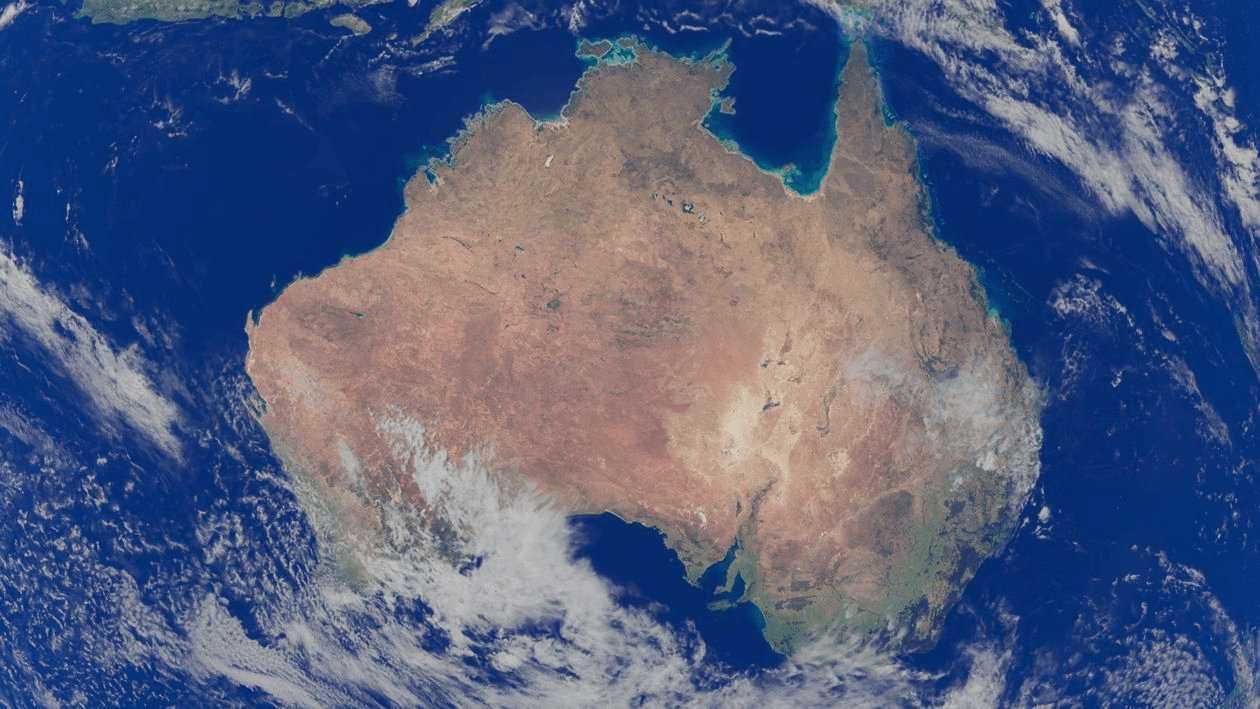
Australia has several climatic zones, which create varying challenges to builders depending on their building needs. Identifying the specific weather demands in your area will be key in erecting your perimeter.
The Tropical North
The tropical northern region experiences heavy rainfall, humidity, and cyclones. Such conditions create a favourable atmosphere for mould growth, termite attacks, oxidation, and other forms of damage to your property boundaries.
Untreated wood will deteriorate quickly in such conditions since it tends to rot and warp. Untreated steel is also prone to rust since it reacts to the presence of water in the air.
The best way to build a fence or wall around your property here is to invest in aluminium and high-quality UV stabilised PVC materials. Such materials do not suffer from rust and moisture, and they provide the required level of durability in the region. Cyclone-proof concrete footings are also crucial in this region.
The Arid Interior
The arid interior parts of Australia are characterised by extreme heat, ultra-violent rays of the sun, and sandstorms. Synthetic materials tend to crack after prolonged exposure to ultraviolet rays, while wood will start warping since there isn’t enough moisture.
If you want something to last in the Australian outback, then steel, bricks, and stones are some of the materials that you can consider. For instance, Colorbond steel is quite common in this area because it is built to endure the extreme heat from the sun. Masonry and brickwork also perform well here because they have great thermal mass.
The Temperate South
The southern part of Australia experiences changes in seasons; therefore, there is frost in the winters and moderate humidity. Temperature changes will affect rigid connections, while some materials will start cracking when exposed to such elements.
Materials that can adapt to temperature changes make the best choices in this region. For instance, you can construct your property boundaries using treated timber or composite fencing. The latter combines natural wood fibres and recycled plastics, giving you great flexibility when handling temperature differences.
Coastal Regions
Areas close to the coastline are constantly exposed to salty sea breezes and strong winds blowing over from the coast. Salt causes metal to rust, weakening the structure of most metallic products. Properties located a few kilometres away from the sea may still suffer from salty air.
See Also; Latest Features Buyers Want in a Modern Luxury Penthouse
Materials resistant to corrosion can be used around the coastlines to construct fences and walls. Marine-grade aluminium is designed to resist corrosion and is quite popular in most coastal regions. Other alternatives include glass pools fencing and PVC, both which resist corrosion and rust.
Bushfire-Prone Regions
Property owners in regions characterised by bushlands and urban fringes need to consider the issue of fires when selecting building materials. The material needs to have low flammability and high heat resistance to protect your property during the summer months.
Local councils within such regions usually set regulations regarding what materials property owners need to use around their property perimeter. For instance, the councils determine how high a bushfire may be and the materials needed based on the Bushfire Attack Level.
In bushfire-prone areas, combustibles should be avoided at all cost. You will need something that won’t easily ignite or burn. Some of the materials that resist fires in such regions include concrete, brick, masonry, stones, and fire-rated steel.
Conclusion
Building a new fence or retaining wall requires extensive planning, and professionals like HB Fencing & Gates are worth their weight in gold. Depending on the region where you live, you will require particular supplies to ensure your property’s safety and security.